
What is a Fourth Nerve Palsy?
The fourth cranial nerve innervates the superior oblique muscle, so weakness of the nerve is also known as superior oblique palsy. Weakness of the superior oblique muscle causes a combination of vertical, horizontal and torsional misalignment of the eyes. The vertical misalignment is typically the most noticeable feature. Palsy refers to a complete weakness of a muscle while a paresis is a partial weakness. This condition is usually unilateral (one eye) but can be bilateral (both eyes).
Does Superior Oblique Palsy cause double vision (Diplopia)?
Superior oblique palsy may cause double vision because of misalignment of the eyes (the brain perceives an image from two different directions). The double vision may be vertical (one image on top of the other), diagonal (vertically and horizontally separated) and less often torsional (rotated or twisted). The torsional phenomenon occurs more frequently with acquired cases of superior oblique palsy. Congenital (present at birth) superior oblique palsy usually does not cause double vision in childhood, and a head tilt may be the only symptom.
Why is the head tilted with Superior Oblique Palsy?
Head tilt and/or turn is common with superior oblique palsy. The abnormal head position allows better alignment of the eyes, sometimes aiding in relief of diplopia. A child with a head tilt should be evaluated by an ophthalmologist for superior oblique palsy and other possible eye problems.
What causes Superior Oblique Palsy?
Superior oblique palsy can be congenital or acquired. Other congenital anomalies may be associated with superior oblique palsy (e.g. a misshaped skull – craniosynostosis). A common cause of acquired superior oblique palsy is head trauma, including relatively minor trauma. A concussion or whiplash injury from a motor vehicle accident may be sufficient enough to cause the problem. Rare causes of superior oblique palsy are stroke, tumor and aneurysm.
How is Superior Oblique Palsy treated?
In cases of acquired superior oblique palsy it is important to identify and treat the underlying cause first. Once the cause of an acquired superior oblique palsy has been treated, the ophthalmologist will usually wait 6 months for possible spontaneous resolution of the palsy. During that period, diplopia can be managed with prism glasses. Prisms merge two images into one but do not strengthen the eye muscles. If prism is not effective, patching or covering one eye can alleviate the double vision. If the palsy does not recover over this 6-month period and if prisms are not able to adequately control the diplopia, surgery may be indicated.
The treatment of choice for congenital superior oblique palsy and for an unresolved (after 6 months) acquired palsy is typically eye muscle surgery. Surgery usually minimizes double vision, reduces the unsightly upward drift of an eye, and corrects a compensatory head tilt. Surgery is performed on one or both eyes depending on the extent of the eye misalignment, the change of the misalignment in different directions of gaze, the amount of head tilt, and the amount of torsion.
Frequently Asked Questions
SCHEDULE AN APPOINTMENT
Ophthalmologists
Meet our adult strabismus specialists







ORTHOPTISTS









Related Posts
What’s new with pediatric glaucoma
Vision Through Music®: Expanding Access to Music for Blind and Visually Impaired Children
March 26, 2025
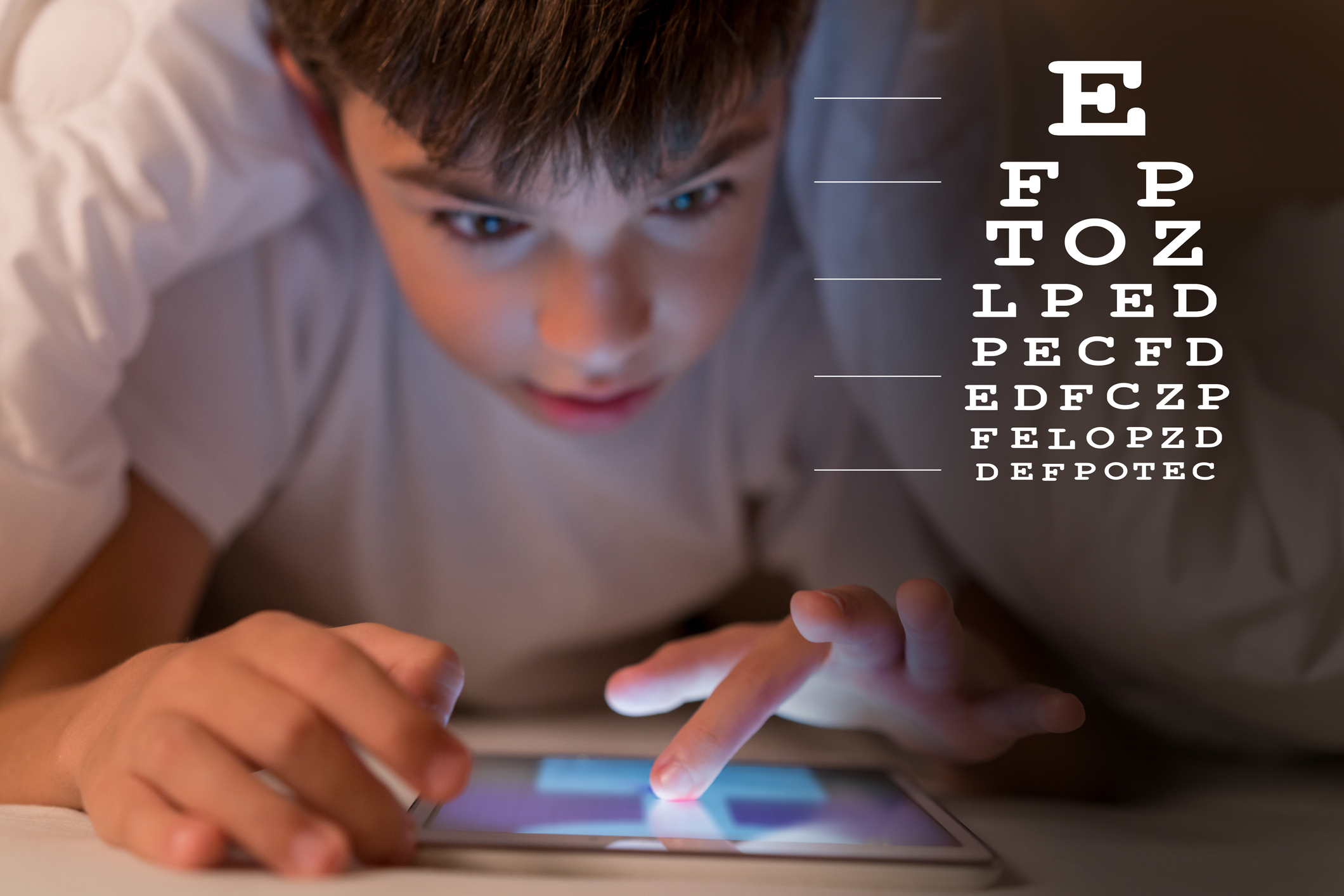
Screen Time and Kids’ Eye Health
May 2, 2025

Firework Eye Safety for Children in Michigan | Pediatric Eye Injury Prevention
May 17, 2026
The History of Pediatric Ophthalmology at Children’s Hospital of Michigan
September 30, 2026
view all articles