
May 2, 2025
Digital Screen Time and Children’s Eye Health
Understanding the Link Between Screens and Myopia
Why Screen Time Matters for Children’s Vision
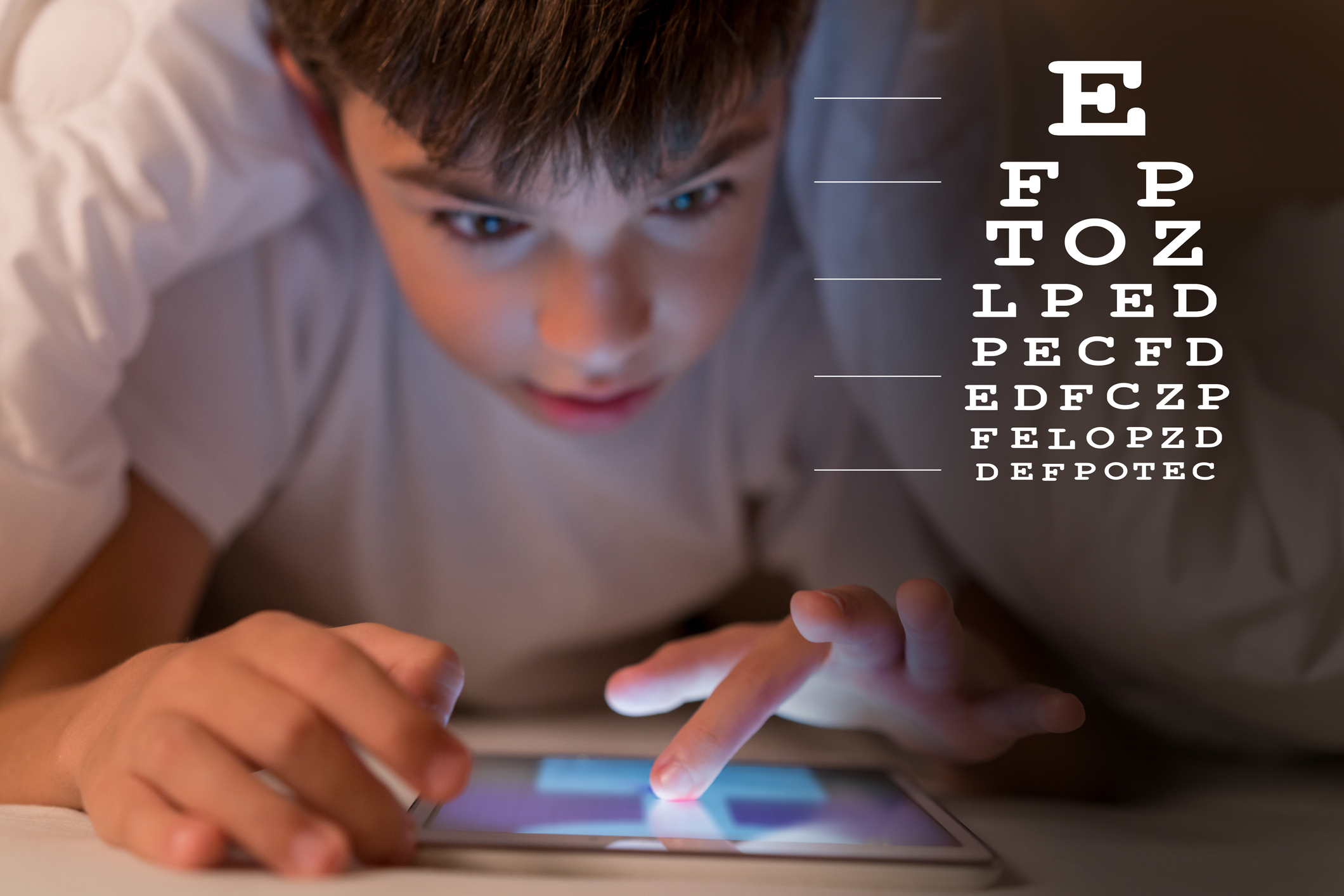
With the increase in online learning, gaming and device-based entertainment, children are spending more time than ever in front of digital screens. While technology can be valuable, extended screen use during childhood has been linked to vision problems – especially the development and progression of myopia (nearsightedness).
A 2024 JAMA Network Open meta-analysis involving over 335,000 children worldwide showed the following associations:
- 1 hour of screen time per day increases myopia risk by 5%
- 4 hours per day increases risk by 97%
- Each additional hour adds approximately 21% to the risk
This data highlights the importance of monitoring daily screen exposure, especially during years when the eyes are still developing.
Source: Lanca, C., & Saw, S-M. (2021). Digital Screen Time and Myopia: JAMA Netw Open, 4(12)
What Is Myopia and Why Is It a Concern?
Myopia is a refractive error where the eye grows too long, causing distant objects to appear blurry. It typically begins in school-aged children and can progress rapidly during periods of growth.
Children with myopia have an increased risk of developing long-term eye complications later in life, including:
- Retinal detachment
- Glaucoma
- Macular degeneration
While genetics contribute, environmental factors—particularly excessive near work (like screen use)—play a major role in its development.
Signs of Screen-Related Eye Strain and Vision Issues in Children
Children may not always describe their symptoms clearly. Parents, teachers and caregivers should watch for the following signs:
- Frequent squinting or blinking
- Holding screens very close to the eyes
- Complaints of blurry vision
- Eye rubbing or tired eyes
- Headaches, especially after screen use
If any of these symptoms are observed, an eye exam may be warranted—even if the child has passed a school screening.
How to Build Healthy Screen Habits for Children
You don’t have to eliminate screen use altogether. Instead, focus on balancing screen time with protective habits. Here are five key strategies:
1. Follow the 20-20-20 Rule
Encourage children to take a break every 20 minutes by looking at something at least 20 feet away for 20 seconds. This helps relax eye muscles and prevent fatigue.
2. Prioritize Daily Outdoor Time
Outdoor play is one of the most protective factors against the development of myopia. Aim for at least 2 hours per day of time outside in natural light.
3. Avoid Screens Before Bed
Digital devices emit blue light, which can disrupt sleep patterns and lead to prolonged eye strain. Turn off screens at least one hour before bedtime.
4. Use Printed Materials for Reading
When possible, encourage reading from printed books instead of tablets. This reduces glare, blinking issues, and the tendency to hold materials too close to the eyes.
5. Set a Screen Routine That Includes Breaks
Create a structured daily schedule with:
- Screen-free meals
- Time for physical activity and play
- Designated “off” times in the evening
- A mix of digital and non-digital educational tools
Why Education Matters
Understanding how digital screen use impacts children’s eyes is essential for long-term vision health. Eye development is shaped by both genetics and environment, and screen time is one factor families can manage with knowledge and balance.
While screen-related vision issues are increasingly common, many can be reduced or prevented through awareness and daily habits.
We encourage families to continue learning through trusted, evidence-based resources:
- American Academy of Ophthalmology – www.aao.org
- American Academy of Pediatrics – www.aap.org
- American Association for Pediatric Ophthalmology and Strabismus – www.aapos.org
The more you know, the better equipped you are to make informed choices that protect your child’s vision now and in the future.
Related Posts

Firework Eye Safety for Children in Michigan | Pediatric Eye Injury Prevention
May 17, 2026
Screen Time and Kids’ Eye Health
May 2, 2025
John D. Baker, MD Pediatric Ophthalmology Symposium 2027 | Baker Day Detroit
February 4, 2025

Hiring Patient Services Representatives & Medical Receptionists
April 29, 2025
view all articles