
How Medical Conditions Can Affect Your Child’s Eyes and Vision
A child’s eye health is closely connected to their overall health. Certain genetic disorders, autoimmune diseases, blood disorders, and other medical conditions can affect the eyes, sometimes before a child experiences any noticeable changes in vision.
For children with these conditions, regular eye examinations may be an important part of their medical care. Some eye complications develop gradually, while others can cause damage without obvious symptoms.
At Children’s Eye Care, our pediatric ophthalmologists work closely with pediatric specialists at Children’s Hospital of Michigan, Corewell Health’s Beaumont Children’s, and University of Michigan Health C.S. Mott Children’s Hospital to help coordinate care for children with complex medical needs.
Our physicians collaborate with specialists in genetics, rheumatology, hematology, oncology, endocrinology, cardiology, nephrology, and neurology. This multidisciplinary approach helps ensure that potential eye complications are identified, monitored, and treated appropriately.
Albinism
How Does Albinism Affect Vision?
Albinism is a group of inherited genetic conditions that affect the production or distribution of melanin, the pigment responsible for coloring the skin, hair, and eyes. Melanin also plays an important role in normal eye development.
Children with albinism may have very light skin and hair, but this isn’t always the case. Some forms primarily affect the eyes, with little or no noticeable difference in skin or hair pigmentation.
Common eye findings associated with albinism include:
- Reduced vision caused by differences in retinal development
- Nystagmus (involuntary eye movements)
- Sensitivity to bright light (photophobia)
- Refractive errors, including nearsightedness, farsightedness, and astigmatism
- Strabismus (eye misalignment)
- Reduced depth perception
What Is the Difference Between Ocular and Oculocutaneous Albinism?
Ocular albinism primarily affects the eyes. Children may have typical skin and hair pigmentation but experience reduced vision and other visual differences.
Oculocutaneous albinism affects pigmentation in the eyes, skin, and hair. The degree of pigmentation and visual impairment varies considerably.
Certain rare syndromes associated with albinism can also affect other parts of the body, making coordinated medical evaluation especially important.
How Is Albinism Managed?
There is no cure for albinism, but children can benefit from treatment and support that help them make the most of their vision.
Management may include prescription glasses, photochromic lenses, sunglasses, low-vision aids, and classroom accommodations. Children with significant light sensitivity may benefit from hats and other strategies to reduce glare.
Some children develop strabismus and may benefit from eye muscle surgery. Others have an abnormal head position associated with nystagmus that may require additional evaluation.
Children with albinism should also receive appropriate medical and dermatologic care, including guidance about sun protection.
Albinism Support & Resources
National Organization for Albinism and Hypopigmentation (NOAH)
NOAH provides education, family connections, conferences, support programs, and resources for children and adults with albinism.
Books About Albinism
Families may also find age-appropriate books helpful when talking with children about albinism, differences in appearance, and living with reduced vision.
Examples include the But Mommy, It’s Not Fair! series by Sherria LaShon Elliott.
Juvenile Idiopathic Arthritis (JIA)
Why Do Children With Arthritis Need Eye Exams?
Juvenile idiopathic arthritis (JIA), previously commonly called juvenile rheumatoid arthritis, is an autoimmune inflammatory condition affecting children.
Although arthritis primarily affects the joints, some children with JIA develop uveitis, an inflammatory eye condition that can cause serious complications if not detected and treated.
One of the most important things parents should understand is that JIA-associated uveitis can develop without eye redness, pain, or noticeable vision changes.
A child may have inflammation inside the eye even when their eyes look completely normal.
Which Children Are at Greater Risk?
The risk of developing uveitis varies depending on factors including:
- The child’s age when arthritis began
- The type of juvenile idiopathic arthritis
- How long the child has had arthritis
- Certain blood test results, including antinuclear antibody (ANA) status
Younger children with certain forms of JIA and positive ANA testing may require particularly frequent eye examinations.
How Often Should Children With JIA Have Eye Exams?
Children with JIA need regular screening examinations using a slit lamp to detect inflammation that may not cause symptoms.
Depending on their risk factors, examinations may be recommended as frequently as every three months, while children at lower risk may require less frequent screening.
The pediatric rheumatologist and ophthalmologist work together to establish the appropriate examination schedule.
Early detection matters. Untreated uveitis can lead to cataracts, glaucoma, and permanent vision loss.
Learn More About Uveitis in Children
Diabetes & Eye Health
Can Diabetes Affect a Child’s Vision?
Children and adolescents with diabetes can develop eye complications, including changes to the small blood vessels in the retina. This condition is called diabetic retinopathy.
Diabetic retinopathy generally develops after a person has had diabetes for several years. Although advanced retinopathy is uncommon in younger children, the risk increases with the duration of diabetes and other health factors.
Blood sugar fluctuations can also cause temporary changes in vision.
When Should Children With Diabetes Have Eye Exams?
The timing of retinal screening depends on whether a child has type 1 or type 2 diabetes, their age, how long they have had diabetes, and other risk factors.
For children with type 1 diabetes, screening generally begins several years after diagnosis, once they reach the age or developmental stage specified in current diabetes care guidelines.
Children diagnosed with type 2 diabetes generally require an eye examination at diagnosis or soon afterward.
Regular dilated retinal examinations help detect early changes before they cause noticeable vision problems.
If diabetic retinopathy develops, treatment may include careful monitoring, improved management of systemic risk factors, and, in more advanced cases, retinal treatments.
Sickle Cell Disease
How Can Sickle Cell Disease Affect the Eyes?
Sickle cell disease is an inherited blood disorder that affects the shape and function of red blood cells. These abnormal blood cells can interfere with circulation in small blood vessels throughout the body, including the retina.
When retinal blood vessels become blocked or damaged, abnormal new blood vessels may develop. This condition is called sickle cell retinopathy.
Some forms of sickle cell disease, particularly hemoglobin SC disease, are associated with a higher risk of proliferative sickle cell retinopathy.
What Are the Signs of Sickle Cell Retinopathy?
Early retinal changes often cause no symptoms. More advanced complications may include:
- Blurred or reduced vision
- New floaters
- Bleeding inside the eye
- Retinal detachment
- Permanent vision loss
Sickle cell retinopathy becomes more common during adolescence and adulthood, making appropriate retinal screening increasingly important as children get older.
How Is Sickle Cell Retinopathy Managed?
Children with sickle cell disease may need periodic dilated retinal examinations, with the timing determined by their age, sickle cell genotype, and recommendations from their hematology and ophthalmology teams.
If abnormal retinal blood vessel growth develops, laser treatment or other retinal procedures may be recommended to reduce the risk of bleeding and vision loss.
Sturge-Weber Syndrome
What Is Sturge-Weber Syndrome?
Sturge-Weber syndrome is a rare condition involving abnormal blood vessel development that can affect the skin, brain, and eyes.
One of its most recognizable features is a port-wine birthmark, a flat pink, red, or purple discoloration that may appear on the forehead, eyelid, or other areas of the face.
Not every child with a facial port-wine birthmark has Sturge-Weber syndrome. However, certain birthmark locations, particularly involving the forehead or upper eyelid, may be associated with a greater risk of eye and neurological involvement.
Sturge-Weber syndrome is caused by a genetic change that typically occurs spontaneously during early development rather than being inherited from a parent.
How Does Sturge-Weber Syndrome Affect Vision?
One of the most important eye complications is glaucoma, a condition that can damage the optic nerve and lead to permanent vision loss.
Glaucoma associated with Sturge-Weber syndrome may be present in infancy or develop later in childhood or adulthood.
Other eye findings can include abnormal blood vessels within the eye, including choroidal hemangiomas.
Why Is Early Eye Evaluation Important?
Glaucoma in young children can be difficult for parents to recognize.
Depending on the child’s age, warning signs may include excessive tearing, light sensitivity, corneal clouding, or enlargement of the eye. In other children, glaucoma may develop without obvious symptoms.
Children with Sturge-Weber syndrome require ongoing ophthalmologic monitoring, including assessment of eye pressure, the optic nerve, and other eye structures.
Treatment may include glaucoma medications, surgery, or additional care depending on the child’s specific findings.
Because Sturge-Weber syndrome may also affect the brain and nervous system, care often involves pediatric ophthalmology, neurology, dermatology, and other specialists.
Sturge-Weber Syndrome Support & Resources
The Sturge-Weber Foundation
A nonprofit organization dedicated to education, research, advocacy, and improving care for individuals and families affected by Sturge-Weber syndrome.
Families may also find support through Sturge-Weber community groups and parent networks.
Coordinated Pediatric Eye Care in Southeast Michigan
Children with complex medical conditions often see several specialists, and their eye care should be part of that larger treatment plan.
Children’s Eye Care provides specialized pediatric ophthalmology services in Detroit, Dearborn, Clinton Township, and West Bloomfield, working with families and referring physicians throughout Southeast Michigan.
Our pediatric ophthalmologists and certified orthoptists help evaluate and monitor vision, eye alignment, eye movements, and other complications associated with systemic medical conditions.
Whether your child needs a baseline eye examination, ongoing screening, or treatment for a diagnosed eye condition, our goal is to provide coordinated, compassionate care that supports their vision and overall development.
Frequently Asked Questions
Frequently Asked Questions
SCHEDULE AN APPOINTMENT
Ophthalmologists
Meet our specialists








Related Posts
More from Children's Eye Care
Vision Through Music®: Expanding Access to Music for Blind and Visually Impaired Children
March 26, 2025

Firework Eye Safety for Children in Michigan | Pediatric Eye Injury Prevention
May 17, 2026
Hiring Patient Services Representatives & Medical Receptionists
April 29, 2025
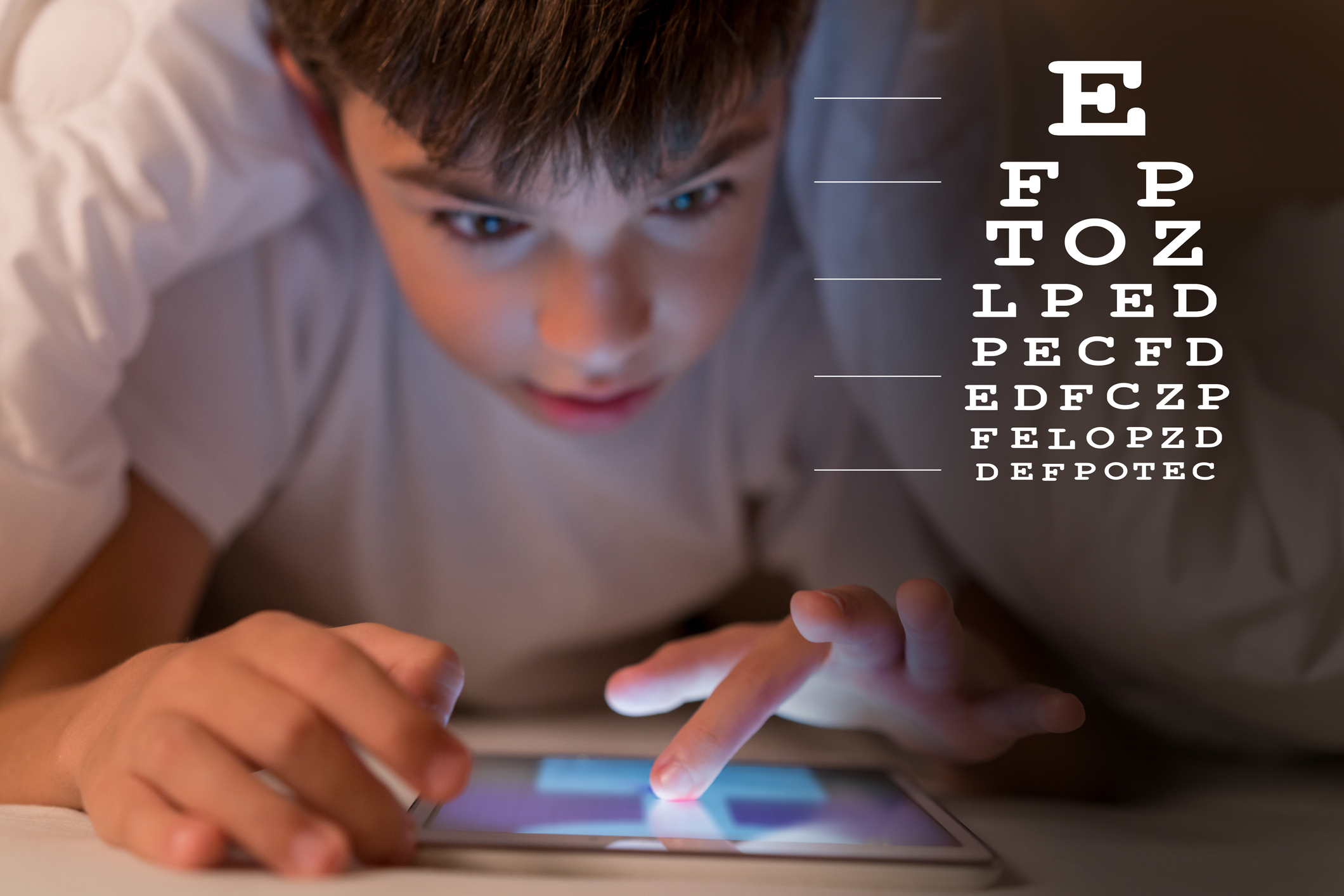
Screen Time and Kids’ Eye Health
May 2, 2025
view all articles