
The most common vision problem in children is amblyopia, or lazy eye. Amblyopia is a decrease in the child’s vision that can happen even when there is no problem with the structure of the eye. The decrease in vision results when one or both eyes send a blurry image to the brain. The brain then learns to only see blurry with that eye, even when glasses are used. Only children can get amblyopia. If it is not treated, it can cause permanent loss of vision.
There are several different types and causes of amblyopia: Strabismic amblyopia, deprivation amblyopia, and refractive amblyopia. The end result of all forms of amblyopia is reduced vision in the affected eye(s).
One of the most important treatments of amblyopia is correcting the refractive error with consistent use of glasses and/or contact lenses. Other mainstays of amblyopia treatment are to enable as clear an image as possible by forcing the child to use the nondominant eye. This is most commonly done with patching the dominant eye to force the weak eye to get stronger. Patching should only be done if an ophthalmologist recommends it. An ophthalmologist should regularly check how the patch is affecting the child’s vision. Although it can be hard to do, patching usually works very well if started early enough and if the parents and child follow the patching instructions carefully.
If your child is being treated for amblyopia by patching, see our FAQ about Patching for more information.
Blurring the vision in the good eye with drops or with extra power in the glasses is another technique used to force the eye with amblyopia to get stronger. Ophthalmologists use this treatment instead of patching when the amblyopia is not very bad or when a child is unable to wear the patch as recommended.
Source: American Association for Pediatric Ophthalmology and Strabismus
Children’s Eye Care provides this information for general educational purposes only. It should not be construed as personal medical advice. Information published on this website is not intended to replace, supplant, or augment a consultation with an eye care professional. Children’s Eye Care disclaims any and all liability for injury or other damages that could result from use of the information obtained from this site.






RELATED POSTS
What’s new with pediatric glaucoma
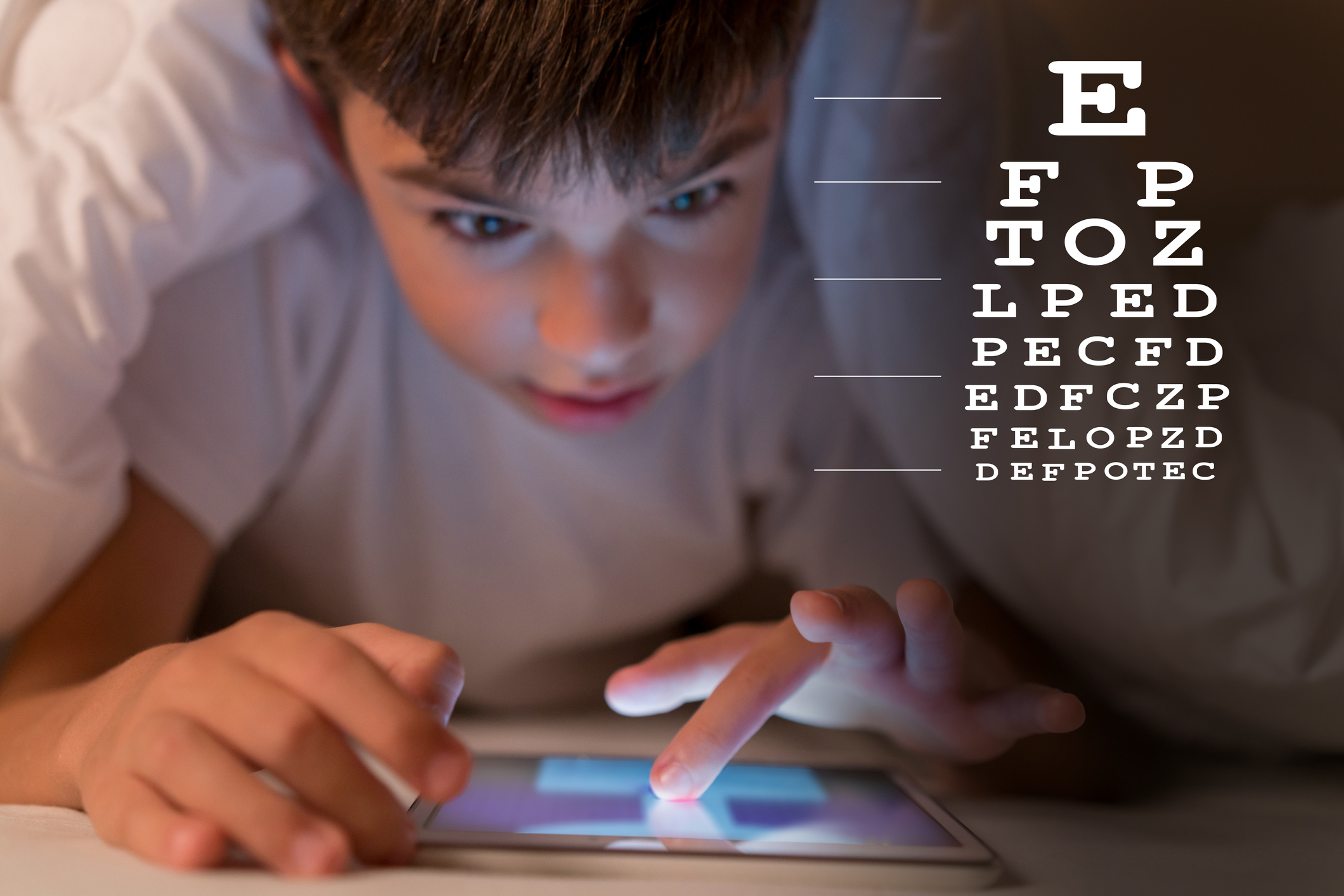
Digital Devices, Virtual Learning, Blue Light Glasses and Your Child’s Eyes
Many of our patient’s parents have been asking us about concerns related to virtual learning, increased screen time and digital eye strain. Dr. Rao recently had a chance to talk to WDIV about these concerns. The links belows will provide you with our perspective and the national Academy of Ophthalmology’s statements on these topics. Blue Light Glasses There is no
Aug. 28, 2020

Nina Palomba completes CEC’s Orthoptic Program
We are proud to announce that our orthoptic student has successful completed our two year orthoptic training program. Nina Palomba, BS, COA has completed the intensive program as well as passed her written boards. This fall she will take her oral boards with the American Orthoptic Council to become a board-certified orthoptist. She will then join the Department of
Aug. 26, 2015
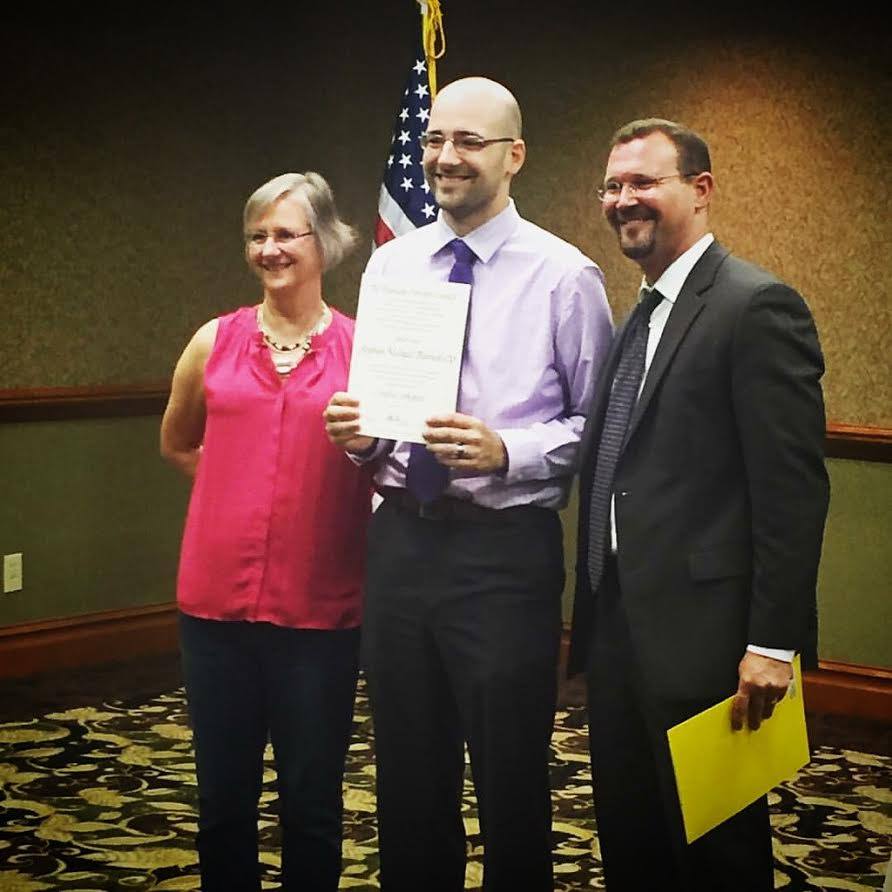
Stephen Burwell completes CEC’s Orthoptic Program
We are proud to announce that our orthoptic student has successful completed our two year orthoptic training program. Stephen Burwell, BS, COT has completed the intensive program as well as passed his written and oral boards with the American Orthoptic Council to become a board-certified orthoptist. He will then join Children’s Eye Care as a staff orthoptist. Congratulations to Stephen
Sep. 17, 2016
Finding Patches Online
We won’t be dispensing/selling any patches during the COVID-19 pandemic. However, you can easily get them online. Amazon sells these patches and you can also buy them directly from Ortopad (and they’re currently not charging S&H). Also, please visit CEC’s FAQ About Patching page to see other vendors and even ways to make your own patches at home.
Apr. 13, 2020
view all articles