
What to Expect at Your Child’s Eye Exam with Children’s Eye Care of Michigan
At Children’s Eye Care, your child is our patient and our top priority. We share your desire for a successful experience each time you visit our office. When you know what to expect at your child’s eye exam, you can better prepare your child – and yourself – for a positive experience.
Our highly skilled team of pediatric ophthalmologists and eye care professionals work together to create a low-stress, playful environment where your child learns that visiting the eye doctor can be a fun experience and something to look forward to. No matter your child’s age, verbal ability or temperament, our team approach assures precision in the evaluation, diagnosis and treatment of your child’s best vision.
Here’s what to expect at your child’s eye exam:
- Our staff members employ unique exam techniques to focus on the subtleties of your child’s vision. Through a variety of methods, we continually observe your child’s visual behavior and assess their visual acuity throughout the entire visit.
- We dress casually and do not wear lab coats!
- For children who are nonverbal, we use a technique that assesses the fixation behavior of the eyes. For children who can recognize shapes, we use a specialized chart with letters, numbers and shapes, engaging your child in a game.
- To most precisely assess children’s vision and eye health, we use drops that dilate their pupils and relax the muscles inside their eyes. This is a critically important part of your child’s exam. Once your child’s pupils are fully dilated, our doctors can very quickly check to see if they have a refractive error (hyperopia, myopia, astigmatism) and need glasses. Most children respond very well to quick and easy drops in their eyes.
- The eye drops take at least 30 minutes (and longer for some children) to work, so plan for your visit to take about two hours – a slightly longer-than-usual doctor’s visit. Bring along some snacks or toys for your child (you will both be glad you did). It’s normal for your child’s vision to be blurry for four to 24 hours after using the drops.
- Be sure to ask any questions about the examination. We’re here to help you be more informed about your child’s vision and eye health.
How you can make your child’s visit more enjoyable:
- Share with your child your enthusiasm for the visit. Your child will expect an enjoyable experience if you set the tone for fun.
- Be sure to bring any glasses – and contact lenses, if applicable – that your child wears to each visit. Also, bring a list of medications your child is taking, the names of any other doctors your child sees and a list of your child’s known medical conditions.
- Make sure you bring your current insurance card, driver’s license or identification. If you are a guardian or foster parent, please bring any legal paperwork, too.
- If this is your child’s first visit, make sure that your child is accompanied by a parent or legal guardian. It’s our preference that it’s always a parent or legal guardian for future visits, too. If this absolutely cannot be the case, please complete the Approval to See Minor Patients Without a Parent/Guardian Present and provide us with a phone number where you can be reached during your child’s exam.
- If your child’s eyes are dilated, they’ll be sensitive to light, so bring sunglasses to wear after your visit.
HOTV Practice
HOTV is a test used to evaluate your child’s vision. Because it is based on matching symbols, it is quickly and easily learned by young children.
Before your next visit, work with your child on matching these letters. Your cooperation will be a great help in determining how well your child can see.
Cut out the letters along the dotted lines and use these as “flash cards.” Your child should be able to point to the matching letter below.
Download the HOTV Practice Sheet (PDF)
Lea Practice
Lea is a test used to evaluate your child’s vision. Because it is based on matching symbols, it is quickly and easily learned by young children. Before your next visit, work with your child on matching these shapes. Your cooperation will be a great help in determining how well your child can see.
Cut out the shapes along the dotted lines and use these as “flash cards.” Your child should be able to point to the matching shape below.
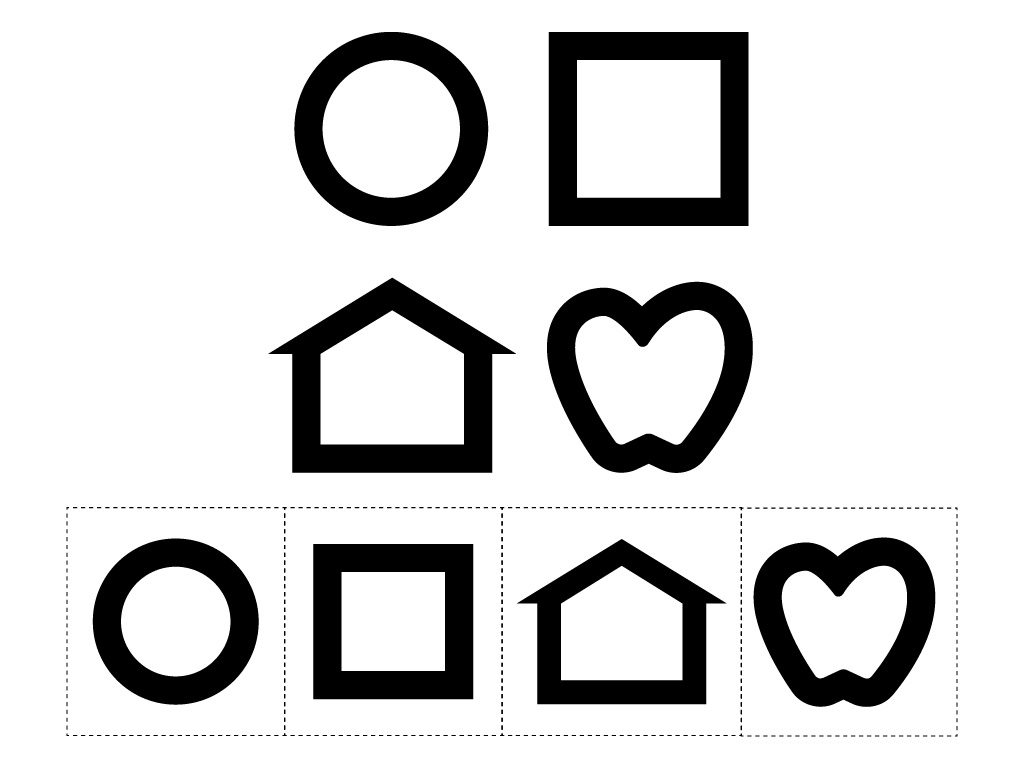
Download the Leah Practice Sheet (PDF)
About Children’s Eye Care
Children’s Eye Care is one of the largest and most-respected pediatric ophthalmology practices in the country. Many of our ophthalmologists and eye professionals have won awards for their work in the field of pediatric eye care.
Thank you for choosing Children’s Eye Care of Michigan.
SCHEDULE AN APPOINTMENT
RELATED POSTS
What’s new with pediatric glaucoma
John D. Roarty, MD named Distinguished Alumni of the Year
Dr. John Roarty, pediatric ophthalmologist at Children’s Eye Care in metro Detroit and Chief of Ophthalmology at Children’s Hospital of Michigan, was named Distinguished Alumni of the Year by Henry Ford Health System’s Department of Ophthalmology. Dr. Roarty completed a pediatric residency at University of California-Davis for pediatrics from 1983-1986. After his pediatric residency, he completed an Ocular Pathology fellowship at at the
Oct. 10, 2015
Hiring Patient Services Representatives & Medical Receptionists
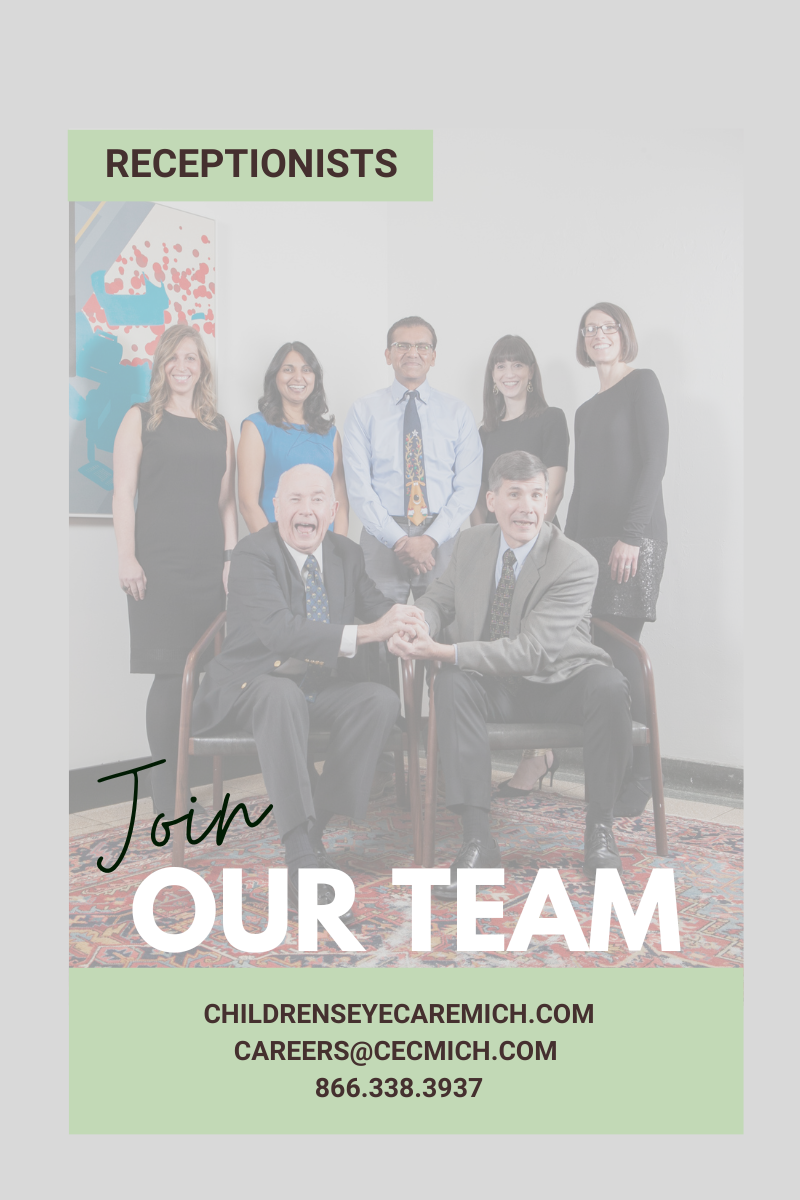
We are looking for Patient Service Representatives with excellent organizational and administrative skills. Position Summary: Our Patient Service Representatives are responsible for patient registration activities, face-to-face check in and check-out procedures, insurance verification, cash collections, services’ coding, chart reconciliation and coordination of patient care. Work Hours: In Person NOT remote: This position does NOT has flexibility to work remotely. This
Apr. 29, 2025
First Student Graduates from Orthoptic Training Program
Martha Wright, CO, COT is the first student to graduate from CEC’s orthoptic training program. We are proud to announce that our first orthoptic student has successful completed our orthoptic training program. Martha Wright, CO, COT has completed the intensive program as well as passed her written boards and oral boards with the American Orthoptic Council. Martha is now
Oct. 04, 2013
Winner of the 2019 Richard Scobee Award
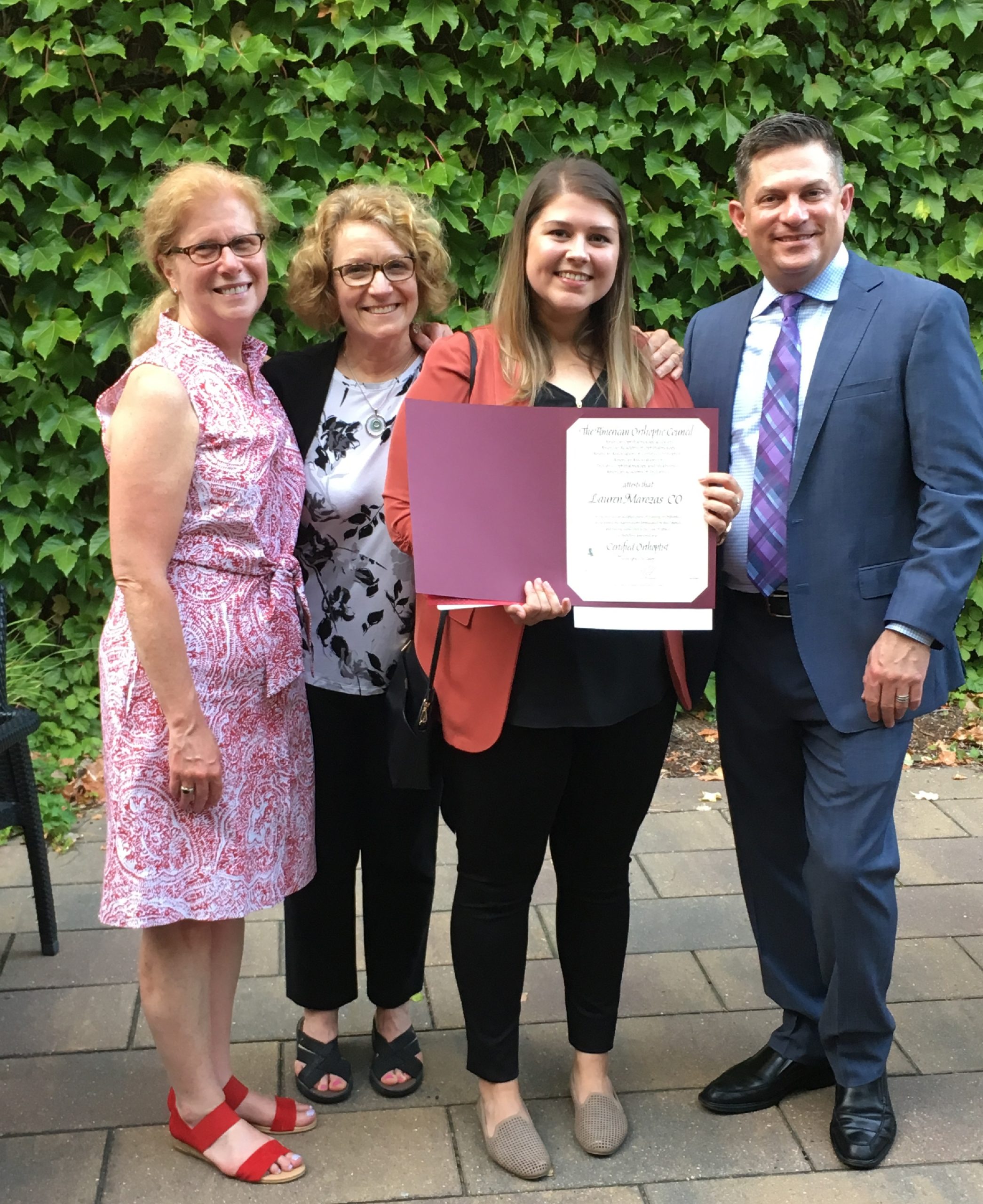
Lauren Marozas, CO, COT won the 2019 Richard G. Scobee Memorial Award. This national recognition is given to the orthoptist, and training program, who received the highest written and oral scores on that year’s board certification. Prior to joining CEC’s orthoptic training program, Lauren completed her BS in neuroscience at University of Michigan – Ann Arbor. Her orthoptic training consisted of
Oct. 15, 2019
view all articles