
Tears normally drain through small openings in the corners of the upper and lower eyelids and enter the nose through the nasolacrimal duct. Tear duct obstruction prevents tears from draining through this system normally.
The most common cause of blocked tear ducts is the failure of a membrane at the end of the tear duct to open normally at or near the time of birth. Some of the other causes include infection, a narrow duct system or nasal bone obstruction.
Blockage of the drainage system causes tears to well up on the surface of the eye and overflow onto the eyelashes, eyelids, and down the cheek. This usually occurs within the first days or weeks of life.
The eyelids can become red and swollen (sometimes stuck together) with yellowish-green discharge when normal eyelid bacteria are not properly flushed down the obstructed system. Severe cases result in a serious infection of the tear duct system (dacryocystitis).
Fortunately, tear duct obstruction resolves spontaneously in a high percentage of cases. When obstruction is persistent, one or more of the following treatments may be recommended: tear duct massage, topical antibiotic eye drops, tear duct probing, balloon tear duct dilation, and/or tear duct intubation.
Source: American Association for Pediatric Ophthalmology and Strabismus
Children’s Eye Care provides this information for general educational purposes only. It should not be construed as personal medical advice. Information published on this website is not intended to replace, supplant, or augment a consultation with an eye care professional. Children’s Eye Care disclaims any and all liability for injury or other damages that could result from use of the information obtained from this site.
SCHEDULE AN APPOINTMENT








RELATED POSTS
What’s new with pediatric glaucoma
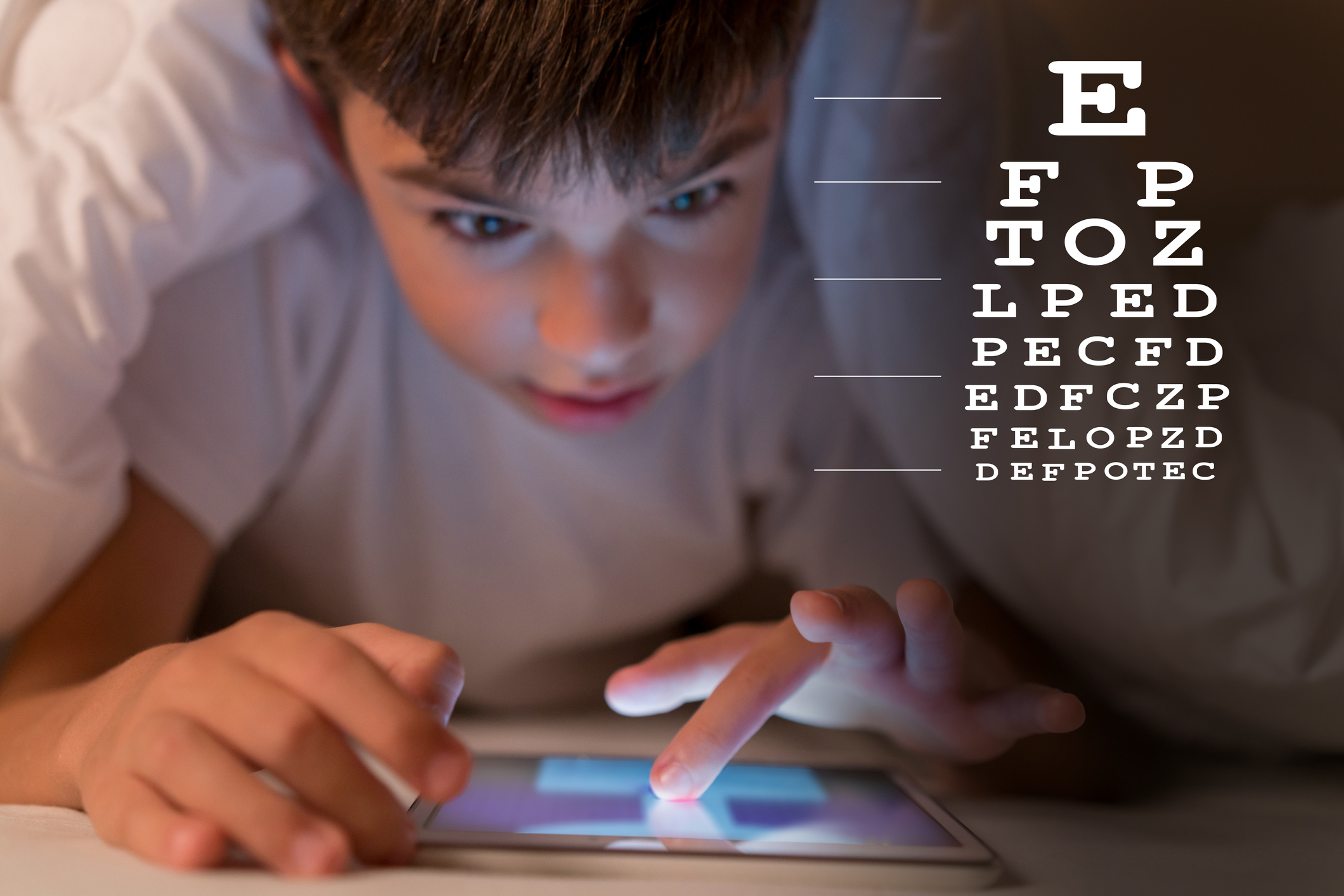
Digital Devices, Virtual Learning, Blue Light Glasses and Your Child’s Eyes
Many of our patient’s parents have been asking us about concerns related to virtual learning, increased screen time and digital eye strain. Dr. Rao recently had a chance to talk to WDIV about these concerns. The links belows will provide you with our perspective and the national Academy of Ophthalmology’s statements on these topics. Blue Light Glasses There is no
Aug. 28, 2020
Dr. Rao Named Teacher of the Year
Dr. Rajesh Rao, pediatric ophthalmologist at Children’s Eye Care in metro Detroit and Chief of Pediatric Ophthalmology at Beaumont Eye Institute, was named Teacher of the Year by the Beaumont Eye Institute’s ophthalmology residents. Dr. Rao has been is also an attending at Children’s Hospital of Michigan, an Associate Professor of Ophthalmology at Wayne State University School of Medicine and Oakland University
May. 26, 2016
Winner of the 2015 Richard G. Scobee Memorial Award
Nina Palomba, CO, COA won the 2015 Richard G. Scobee Memorial Award. This national recognition is given to the orthoptist, and training program, who received the highest written and oral scores on that year’s board certification. Ms. Palomba joined Children’s Eye Care in 2011 as an ophthalmic tech-trainee a year after completing her BS in child development at Central Michigan University.
Nov. 18, 2015
Introducing New Pediatric Ophthalmologist – Alexandra Apkarian, MD
We’re excited to introduce our newest eye doctor. Alexandra O. Apkarian, MD practices comprehensive pediatric ophthalmology and adult strabismus. Through her intensive training, she developed a strong clinical interest in strabismus in both children and adults as well as a variety of other common pediatric ophthalmology disorders. As a mother of one young daughter and an upcoming second daughter due later
Jul. 28, 2014
view all articles