

The O’s of Eye Care
Ophthalmologist? Optometrist? C.O? What do all those O’s and titles after your eye care professional’s name mean? Our guide to the O’s of Eye Care gives you a clue to the important yet varied roles of the key members of our pediatric ophthalmology team.
Fellowship-Trained Pediatric Ophthalmologists (MD or DO)
An ophthalmologist is either a medical doctor (MD) or doctor of osteopathy (DO). Their training consists of a bachelor’s degree (four years), medical school (four years), an internal medicine internship (one year), an ophthalmology residency (three years) and a fellowship (one year) in pediatric ophthalmology. All of our pediatric ophthalmologists are board-certified. They specialize in the diagnosis of ocular disorders and diseases as well as the treatment and surgery of these conditions. AAPOS.org
Optometrist (OD)
An optometrist’s training consists of a bachelor’s degree (four years) and an optometry professional program (four years). Some also participate in a post-doctorate residency training. They are typically trained to exam the eye for the purpose of prescribing glasses and screening for certain eye abnormalities.
Orthoptist (CO)
Our certified orthoptists have completed a bachelor’s degree program and then a one to two year orthoptic fellowship program that focuses on the evaluation and treatment of patients with disorders of the visual system (usually focusing on binocular vision and eye movement). They become board-certified orthoptists (C.O.) through the American Association of Certified Orthoptists. We are proud to work with nine board-certified orthoptists and are approved as an accredited fellowship program for orthoptic training. ORTHOPTICS.org
Ocularist (BCO)
An ocularist is a technician trained in the arts of fitting, shaping, painting and caring for ocular prostheses. They learn their skill through an approved apprenticeship spending 10,000 hours in practical training and completing 750 credits of related courses. OCULARIST.org
Optician (ABOC)
Opticians assist with choosing and fitting a patient with appropriate frames and lenses after the ophthalmologist and/or optometrist has determined the prescription. They usually receive on-the-job training and can become certified by the American Board of Opticianry. ABONLCE.org


Business Operations and Ancillary Clinical Roles in Eye Care
Children’s Eye Care understands the value of working with a highly qualified team. We encourage professional certification, continuing education and advanced training in a variety of roles in our practice.
Allied-Health Staff
COA – Assistant
COA’s are highly knowledgeable about the ophthalmic and systemic disorders and their treatment and capable of performing most of the fundamental elements of an exam. JCAHPO.org
COT – Technician
A COT is the second-core level of certification for allied-ophthalmic staff. COT’s are trained to perform many skilled tasks (refractions, A-scans, contact lens fittings, etc.) and have a strong knowledge base for work in the eye care field. JCAHPO.org
COMT – Technologist
A technologist is someone that is among the top trained and educated allied-health personnel in ophthalmology. COMT’s are trained for the all the things COA’s and COT’s perform, but they also are trained to perform ophthalmic photographs and ultrasound. JCAHPO.org
CCRC – Certified Clinical Research Coordinators
A CCRC is a clinical research professional who work with cooperative research groups, academic, government, and private institutions, pharmaceutical and biotechnology companies, device manufacturers, CROs, SMOs, independent research and development organizations, and those who are involved in the management of clinical trials. The commonly handle dealing with informed consents, institutional review boards, medical ethics and regulatory issues. It is achieved by passing the certification exam through SoCRA (Society of Clinical Research Associates). SoCRA.org
CCRP – Certified Clinical Research Professionals
A CCRP is a clinical research professional who work with cooperative research groups, academic, government, and private institutions, pharmaceutical and biotechnology companies, device manufacturers, CROs, SMOs, independent research and development organizations, and those who are involved in the management of clinical trials. The commonly handle dealing with informed consents, institutional review boards, medical ethics and regulatory issues. It is achieved by passing the certification exam through ACRP (Association of Clinical Research Professionals). ACRP.org
NCLEC
Certified Contact Lens Technicians assist the doctor with fitting a patient with appropriate lenses. They usually receive on-the-job training and can become certified by the American Board of Opticianry. ABONLCE.org
Business Operations
COE – Certified Ophthalmic Executive
A COE designation is the national standard for ophthalmic practice management. Administered by the National Board for the Certification of Ophthalmic Executives (NBCOE), the COE program recognizes those who have achieved the experience, knowledge and skills identified by the NBCOE as essential to practice management. ASOA.org/COE
CPSS – Certified Patient Service Specialist
The CPSS program establishes a national standard of excellence that recognizes and promotes the professionalism of business office staff in ophthalmology by providing certification and continuing education focused on increasing the quality of patient care. BSMCPSS.org
OCS – Ophthalmic Coding Specialist
An OCS designation is the national recognition, by AAO and JCAHPO) that a coder has demonstrated a mastery of coding and coding compliance in this constantly changing (and challenging) field. AAO.org
SCHEDULE AN APPOINTMENT





RELATED POSTS
What’s new with pediatric glaucoma
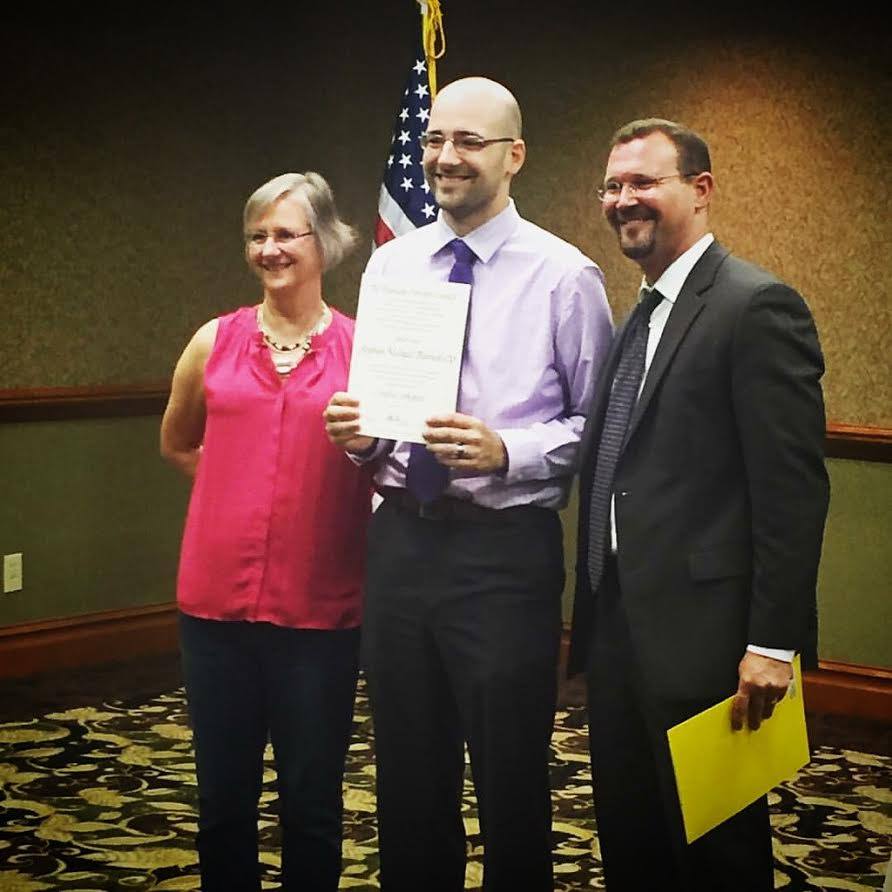
Stephen Burwell completes CEC’s Orthoptic Program
We are proud to announce that our orthoptic student has successful completed our two year orthoptic training program. Stephen Burwell, BS, COT has completed the intensive program as well as passed his written and oral boards with the American Orthoptic Council to become a board-certified orthoptist. He will then join Children’s Eye Care as a staff orthoptist. Congratulations to Stephen
Sep. 17, 2016
Dr. Baker Honored with Award for Excellence
Dr. Baker was honored today with the Marshall M. Parks, MD Medal for excellence for the monumental contributions in the field of pediatric ophthalmology and strabismus. Dr. Baker has dedicated his career to fighting for patients, enhancing his field and training the next generation. He is incredibly deserving of every accolade bestowed upon him. He is our mentor, our peer
Apr. 07, 2016

Is Your Legally Blind Teen Ready for an Unforgettable Summer?
Is Your Legally Blind Teen Ready for an Unforgettable Summer? If you have a legally blind teen aged 16 or 17, an incredible summer adventure awaits! Leader Dogs for the Blind is offering a FREE summer camp designed to empower teens with vision impairments through hands-on experiences, independence-building activities, and lifelong friendships. Leader Dogs for the Blind Summer Camp 2025
Mar. 01, 2025

Digital Devices, Virtual Learning, Blue Light Glasses and Your Child’s Eyes
Many of our patient’s parents have been asking us about concerns related to virtual learning, increased screen time and digital eye strain. Dr. Rao recently had a chance to talk to WDIV about these concerns. The links belows will provide you with our perspective and the national Academy of Ophthalmology’s statements on these topics. Blue Light Glasses There is no
Aug. 28, 2020
view all articles