
Nystagmus is an involuntary shaking or “back and forth” movement of the eye. There are two types of nystagmus – congenital and acquired.
Congenital nystagmus typically presents itself in children between 6 weeks and 3 months of age. There is no known cause.
Acquired nystagmus occurs later in a child’s life and can be associated with myriad medical conditions, including cataracts, strabismus and amblyopia.
The vision of children with nystagmus is variable. Some have a mild reduction in visual acuity (20/50 or better); some have more severe vision loss (20/200 or worse). Children with congenital nystagmus tend to have blurry vision, while those with acquired nystagmus are more likely to have “shaking” vision, meaning that items in their visual field look like they are moving back and forth. This is caused by the oscillating of the eye caused by the condition, and can make children tilt or turn their heads to correct the effect.
Eye muscle surgery such as the one performed to correct strabismus can help some children with nystagmus, but it will not fully eliminate the condition. Glasses and contact lenses are also used for treatment. Medications have been used, but side effects have curtailed their consideration as a primary method of treatment.
Source: American Association for Pediatric Ophthalmology and Strabismus
Children’s Eye Care provides this information for general educational purposes only. It should not be construed as personal medical advice. Information published on this website is not intended to replace, supplant, or augment a consultation with an eye care professional. Children’s Eye Care disclaims any and all liability for injury or other damages that could result from use of the information obtained from this site.






RELATED POSTS
What’s new with pediatric glaucoma

Optical needs, in metro Detroit, during the COVID-19 Pandemic
April 14, 2020 Our opticals are closed, and we are not allowing our opticians to have face-to-face time with any patients. You can visit our Optical page for FAQ. Also, Barb and Kevin will be working remotely a couple of hours once or twice weekly. You can call our offices to leave a message for them or email us at info@cecmich.com with
Apr. 14, 2020
Staying Healthy, Helpful and Calm – Children’s Eye Care’s Health Policies
Please be Kind and Patient. Words matter. Behaviors matter. Our patients and our team matter. Even when stressed, kindness matters. Masks are Optional. While masks are optional for patients, guests, doctors and staff; please respect those that choose to wear one. All clinical staff and doctors will wear masks when examining premature babies. And, if any family/patient is masked when we
Feb. 24, 2023
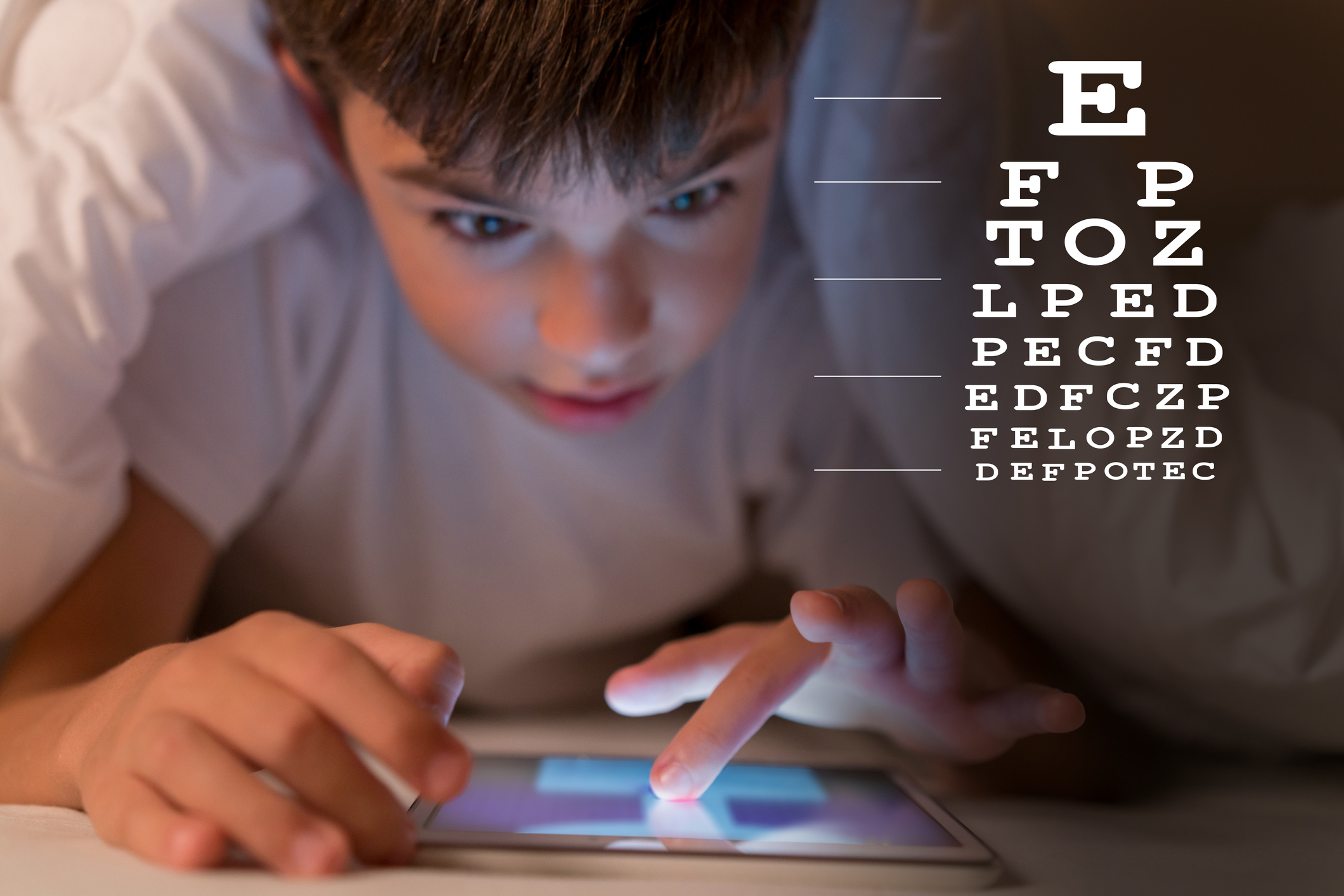
Digital Devices, Virtual Learning, Blue Light Glasses and Your Child’s Eyes
Many of our patient’s parents have been asking us about concerns related to virtual learning, increased screen time and digital eye strain. Dr. Rao recently had a chance to talk to WDIV about these concerns. The links belows will provide you with our perspective and the national Academy of Ophthalmology’s statements on these topics. Blue Light Glasses There is no
Aug. 28, 2020

Pardon Our Dust — Our West Bloomfield Clinic is Under Construction!
👉 What You Need to Know During Your Visit We’re excited to share that our office is undergoing renovations to create a better experience for our patients and families. Temporary Changes: Part of the waiting room is closed with secure construction plastic barriers, and space is limited. Noise Considerations: Most loud construction work is paused during clinic hours. Dilation Waits:
Mar. 09, 2025
view all articles